Table of Contents
Key Takeaways
- A bench warrant is a court order authorizing law enforcement to arrest someone and bring them before a judge.
- In Florida, bench warrants can be issued for missing court hearings, violating probation conditions, or failing to follow court orders.
- An active bench warrant can result in an arrest during a traffic stop or other encounters with law enforcement.
- A bench warrant does not automatically expire with time. The issuing court must take action to recall or resolve it.
- Checking court records and seeking help from a Florida criminal defense attorney can help you understand your legal options and address an active warrant.
A bench warrant is a legal order issued by a judge authorizing law enforcement to arrest someone and bring them before the court. In Florida, a judge can issue a bench warrant when a person fails to appear for a scheduled court hearing, does not follow a court order, or fails to meet certain legal obligations.
The word "bench" refers to the judge's position in the courtroom. Unlike a warrant that begins with a new criminal investigation, a bench warrant often results from something that happened during an existing court case.
For example, if someone is charged with a criminal offense and misses a required court appearance, the judge can issue a bench warrant. Once the warrant is active, law enforcement can take that person into custody.
A bench warrant does not mean the person has been found guilty of the original criminal charge. However, ignoring it can create additional legal problems, including arrest, possible detention, and further court proceedings.
Understanding why bench warrants are issued, what happens after one is issued, and how to address the situation can help Florida residents make informed decisions.
Why Does a Judge Issue a Bench Warrant in Florida?
A judge issues a bench warrant when someone does not meet a court requirement. The exact reason depends on the type of case and the circumstances.
Here are some common reasons a judge might issue one.
1. Missing a Scheduled Court Hearing
Missing a court date is one of the most common reasons for a bench warrant.
People involved in criminal cases must attend hearings when required by the court. These can include arraignments, pretrial hearings, trial dates, and sentencing proceedings.
If a defendant does not appear and has not received permission from the court to miss the hearing, the judge can issue a warrant.
Even if the missed appearance happened because of a misunderstanding, a scheduling mistake, or an emergency, the court may still take action. The reason for missing the hearing can become important when requesting that the warrant be recalled.
2. Violating Probation Conditions
People placed on probation must follow specific conditions set by the court.
These conditions can include meeting with a probation officer, attending counseling, completing community service, avoiding new criminal charges, and following other court requirements.
Failure to follow these conditions can lead to a probation violation proceeding.
In some situations, a judge may issue a warrant to bring the person back before the court. The court will then review the alleged violation and determine what happens next.
3. Failing to Follow a Court Order
A judge can also issue a bench warrant when someone fails to comply with certain court orders.
For example, a person might be ordered to attend a hearing, provide required information, or complete a specific legal requirement. Ignoring these instructions can lead to further court action.
The consequences depend on the type of order, the underlying case, and whether the court considers the failure intentional.
4. Missing a Hearing After Being Released on Bond
When someone is released from jail after posting bail or securing a bond, they must follow the conditions of their release.
One important condition is appearing in court whenever required.
If a defendant willfully fails to appear, the judge can issue a warrant. The financial security provided for release can also be at risk.
Under Florida Statutes Section 843.15, a person released under Florida's bail laws who willfully fails to appear can face a separate failure-to-appear charge. The offense can be a third-degree felony when the release was connected to a felony charge or certain post-conviction proceedings. It can be a first-degree misdemeanor when the release was connected to a misdemeanor charge.
Is a Bench Warrant the Same as an Arrest Warrant?
Bench warrants and arrest warrants are both legal orders that authorize law enforcement to take someone into custody. However, they can serve different purposes.
An arrest warrant generally begins with a criminal investigation or a complaint alleging that someone committed an offense. It authorizes the arrest of the person identified in the warrant.
A bench warrant is commonly issued by a judge because someone has failed to meet a court requirement. For example, the person might have missed a hearing or violated a court order.
In Florida, the term "capias" can also appear in court records for an order directing law enforcement to take someone into custody and bring them before the court.
Although these terms are related, the exact wording and legal purpose depend on the case.
What Happens After a Bench Warrant Is Issued in Florida?
Once a judge signs a bench warrant, it becomes an official court order. Law enforcement can act on it according to the warrant's terms.
Here is what can happen after issuance.
1. Law Enforcement Can Arrest the Person
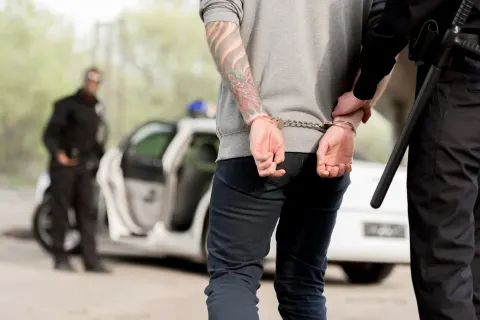
Officers can take the person named in the warrant into custody. An arrest can happen during a routine traffic stop, at a person's home, or during another encounter with law enforcement.
The person does not have to be arrested immediately after the judge issues the warrant. However, the possibility of arrest remains while the warrant is active.
2. The Person May Be Taken to Jail
After an arrest, the person can be transported to the county jail for booking and processing.
The process can include confirming the person's identity, recording the arrest, and reviewing the warrant and related court information.
3. A Judge May Review the Case
The next step depends on the type of warrant and the original court case.
For criminal arrests, Florida Rule of Criminal Procedure 3.130 generally requires an arrested person who has not been lawfully released to appear before a judicial officer within 24 hours.
During the first appearance, the judge can explain the charges and consider the conditions of release. Whether the person can receive bond, and the amount or conditions involved, depend on the circumstances.
4. The Original Court Case Can Continue
A bench warrant does not automatically end the original case.
The person may still need to address the underlying criminal charge, probation issue, or court requirement. The court can also consider why the required appearance or obligation was missed.
Can You Be Arrested for an Old Bench Warrant in Florida?
Yes. An old bench warrant can still lead to an arrest when it remains active.
Some people assume that a warrant will disappear after several months or years. However, the passage of time alone does not automatically cancel a warrant.
For example, someone who missed a court hearing several years ago might discover that the warrant is still active during a traffic stop or another encounter with law enforcement.
The court must take the appropriate action to recall, cancel, or otherwise resolve the warrant. Simply waiting for it to expire is not a reliable way to deal with the situation.
That is why checking the warrant's current status is important, even when the original case is several years old.
How Can You Check for an Active Bench Warrant in Florida?
If you believe a judge has issued a bench warrant against you, the first step is to confirm whether it exists and understand why it was issued.
You can take the following steps:
Check the county court records: Visit the official website of the clerk of court in the county where the original case was filed. Search using your name or case number to review available court records.
Contact the clerk of court: The clerk's office can help you identify the case, locate relevant court documents, and understand which court is handling the matter.
Contact an experienced criminal defense attorney: An attorney can review the case, verify the warrant information, and explain the legal options available for addressing it.
Keep in mind that online records can sometimes be delayed or incomplete. A search that does not show a warrant should not be treated as final confirmation that no active warrant exists.
How Do You Clear a Bench Warrant in Florida?
The process of resolving a bench warrant depends on why it was issued and which court issued it.
There is no single process that applies to every case. However, the following steps can help you understand how to move forward.
1. Find Out Why the Warrant Was Issued
Start by identifying the court case connected to the warrant.
Review the court docket and determine whether the warrant relates to a missed hearing, probation violation, unpaid court obligation, or another issue.
Knowing the reason is important because the court may require different actions depending on the circumstances.
2. Speak With a Criminal Defense Attorney
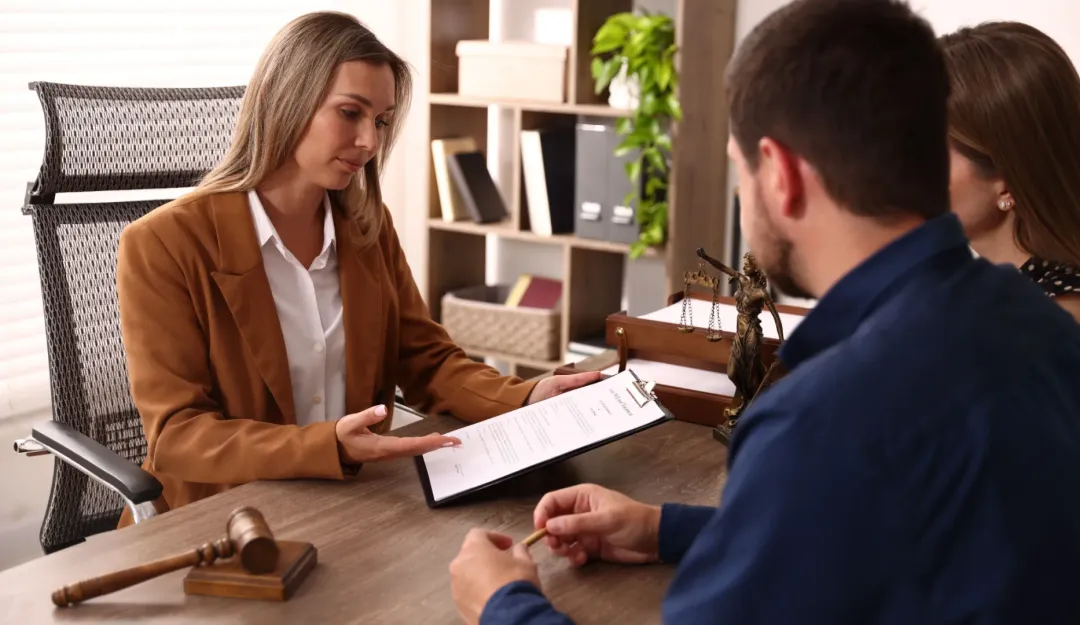
An attorney can review the warrant and explain the available legal options.
Depending on the situation, the attorney might be able to file a motion to recall or quash the warrant, request a hearing, or arrange for a voluntary appearance before the judge.
Legal representation can also help you understand whether additional charges or other consequences are involved.
3. Request That the Court Recall the Warrant
In appropriate cases, a lawyer can ask the judge to recall or quash the bench warrant.
For example, if someone missed a hearing because of a medical emergency or another serious reason, the attorney can present supporting documents and explain what happened.
However, the court is not required to recall every warrant. The judge reviews the circumstances and decides whether the request should be granted.
4. Attend the Required Court Hearing
Even after a warrant is recalled, the original case might still be open.
The person may need to attend another hearing, address the missed obligation, or follow additional instructions from the judge.
Following the court's directions is important to prevent further complications.
Can a Bench Warrant Affect Your Driver's License in Florida?
A bench warrant does not automatically suspend someone's driver's license.
However, the type of case connected to the warrant can lead to separate driving-related consequences.
For example, Florida Statutes Section 318.15 addresses certain failures to comply with traffic civil penalties, payment plans, driver improvement school requirements, or scheduled hearings. These situations can result in a driver's license suspension through the Florida Department of Highway Safety and Motor Vehicles.
This is separate from the arrest authority associated with a bench warrant.
If your warrant relates to a traffic case, check both the court records and your driver's license status to understand whether any restrictions apply.
What Should You Do If You Discover a Bench Warrant Against You?
Finding out that there is an active warrant can be stressful, especially when you are unsure what happens next.
The important thing is to avoid ignoring it.
Start by confirming the warrant with the court that issued it. Find out the case number, the reason for the warrant, and whether any court dates or additional requirements are involved.
Next, consider speaking with a criminal defense attorney who handles cases in Florida. An attorney can help determine whether a motion can be filed, whether a court appearance should be arranged, and whether bond or other release conditions might apply.
Avoid assuming that the warrant is no longer valid because you have not received recent notices or have not been contacted by law enforcement.
Taking action early can help prevent an unexpected arrest and give you a chance to address the matter through the proper legal process.
Conclusion
A bench warrant is a serious court matter that Florida residents should not ignore. It can result in an arrest, jail processing, and additional legal complications depending on the reason it was issued.
Whether the warrant involves a missed court date, a probation violation, or another court requirement, understanding your situation is the first step toward resolving it.
Check the relevant court records, speak with a qualified Florida criminal defense attorney, and follow the proper legal process to address the warrant. Taking action sooner can help you avoid unnecessary complications and move forward with your case.
Disclaimer: This article is for informational purposes only and does not constitute legal advice. Consult a qualified Florida attorney for guidance on your specific situation.
Frequently Asked Questions
Can a Florida bench warrant be enforced in a different county?
Yes. Florida law allows warrants to be executed outside the county where they were issued. Florida Statutes Section 901.07 addresses arrests made in a different county.
Can police arrest someone on a bench warrant at night?
Yes. Under Florida Statutes Section 901.04, an arrest warrant can be executed on any day and at any time, including at night.
Does every bench warrant include a bond amount?
No. Bail eligibility and release conditions depend on the offense and applicable court orders. Florida Rule of Criminal Procedure 3.121 addresses bail requirements for arrest warrants.
What happens if I am arrested on a bench warrant in another Florida county?
If you have a right to bail, you must be informed of that right. Upon request, you can be taken before an authorized local judicial officer to arrange bail for your appearance before the court that issued the warrant.
Can a judge recall a bench warrant before an arrest happens?
Yes. You can ask the issuing court to recall the warrant, often through a motion filed by your attorney. The judge reviews the request and decides whether to grant it.
Will paying my outstanding court fines automatically clear a bench warrant?
No. Paying outstanding fines does not automatically confirm that a bench warrant has been recalled. Check with the issuing court to verify that the warrant has been formally resolved.
Are active bench warrants always visible in Florida court records online?
No. Online access varies by county. For example, the Citrus County Clerk of Court does not display active warrants and capiases on its public website. Contact the issuing court for confirmation.
What happens if a bench warrant has incorrect personal information?
Florida Rule of Criminal Procedure 3.121 requires an arrest warrant to identify the person by name or by a description that allows reasonable identification. Contact an attorney if you believe a warrant identifies you by mistake.
Can missing a court appearance result in losing my original bail money?
Yes. Under Florida Statutes Section 843.15, security posted for release can be forfeited when someone released under Chapter 903 willfully fails to appear as required. Additional criminal penalties can also apply.
What does a capias mean in a Florida criminal case?
A capias is a court order for someone's arrest to bring them before the court. Florida Rule of Criminal Procedure 3.730 allows a court to direct the clerk to issue a capias when needed to secure a defendant's presence for sentencing or adjudication.
Need help right now?
We answer 24/7. One call starts the release process: no judgment, no waiting room, no runaround.
Call Now (305) 225-2255